

About this game
Core Matching Mechanics
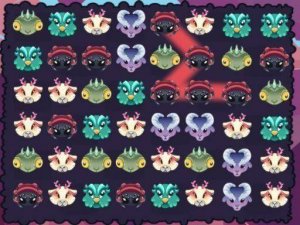
At its heart, this game follows the well-known match-3 formula. Players tap or click on adjacent blocks to swap their positions, aiming to form horizontal or vertical lines of three or more identical blocks. Each successful match adds points to the score and clears those blocks from the board, allowing new ones to fall into place. The challenge lies in planning sequences that create chain reactions, clearing larger groups in a single move. This core loop is easy to understand but offers enough depth to keep players engaged across many rounds.
The Balance Meter System
A distinctive feature is the vertical meter on the left side of the screen. This meter gradually decreases if the player does not make matches quickly enough. When it reaches the bottom, the round ends. This mechanic introduces a gentle sense of urgency without being punishing. Players must balance speed with careful planning, as hasty swaps can waste moves. The meter refills slightly with each match, rewarding efficient play. This system keeps each session focused and prevents the game from feeling aimless.
Visual Style and Theme
The game presents a bright, cheerful aesthetic with a playful animal motif. Blocks are decorated with friendly bunny faces and other cute symbols, adding personality to the board. The color palette is soft and inviting, making the game suitable for younger players. Animations are smooth but not distracting, with subtle effects for matches and score increases. The overall design creates a relaxing atmosphere that encourages extended play without visual fatigue.
Progression and Difficulty
As players advance, the game gradually introduces new challenges. Later levels may feature more complex board layouts or faster meter depletion, requiring sharper pattern recognition. While specific level counts are not detailed, the progression feels natural, with each stage building on skills learned earlier. This ramp in difficulty ensures that both newcomers and experienced puzzle fans find something to enjoy. The game does not rely on artificial barriers, instead letting players improve at their own pace.
Accessibility and Control
The controls are designed for simplicity. On desktop, players use a mouse to click and drag blocks. On touch devices, a simple tap and swipe works the same way. There are no complex menus or tutorials to navigate; the game explains its rules through play. This low barrier to entry makes it ideal for quick breaks or for introducing young children to puzzle games. The interface is clean, with score and meter clearly displayed without clutter.







Audience comments
Sign in to comment
You must be logged in before posting a review or rating.
No account? Create one
No comments yet. Be the first to comment!