
About this game
Mission Structure and Objectives
Urban Guardian organizes its gameplay around a series of distinct missions spread across various city districts. Each mission presents a unique scenario, such as assisting residents or ensuring key areas remain secure. The game provides clear objectives at the start of each task, guiding players through the necessary steps without requiring prior knowledge of the storyline. This structure allows for focused play sessions where progress is measured by the successful completion of each assignment.
Urban Environment and Navigation
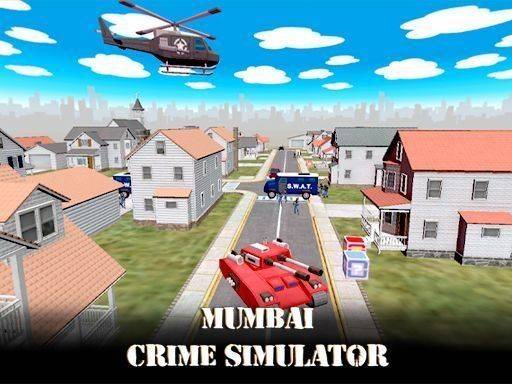
The game world is divided into several distinct zones, including busy commercial areas and residential sectors. Players move through these environments using a third-person camera perspective, which offers a broad view of the surroundings. The streets are populated with non-player characters and interactive elements that add to the sense of a living city. Navigating between mission locations requires attention to street layouts and landmarks, encouraging players to learn the geography of the virtual city over time.
Controls and Player Interaction
Control inputs are designed to be responsive, allowing for smooth movement and interaction with the environment. Players can run, jump, and interact with objects using a simple button layout. The game avoids complex combo systems, focusing instead on straightforward actions that support the mission objectives. This design choice makes the experience accessible to players of different skill levels, while still requiring timing and spatial awareness for certain tasks.
Progression and Unlockables
As players complete missions, new areas of the city become available for exploration. This progression system rewards continued play by gradually expanding the playable map. Some missions may also introduce optional side objectives that provide additional context about the city and its inhabitants. The sense of accomplishment comes from seeing the city become safer and more orderly as each mission is finished.
Visual Style and Atmosphere
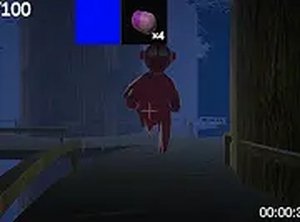
The art direction emphasizes bright colors and clear visual cues to distinguish different districts. Markets feature stalls and crowds, while residential areas show houses and gardens. The visual style supports the family-friendly tone of the game, avoiding dark or threatening imagery. Lighting and weather effects may vary between missions, adding variety to the visual experience without changing the core gameplay.
Replayability and Session Length
Individual missions can be completed in short sessions, making the game suitable for quick play periods. However, the overall campaign offers enough content to support longer gaming sessions for those who prefer extended play. The mission-based format allows players to stop and resume at natural break points, accommodating different schedules. Repeating missions to improve completion times or find hidden elements adds replay value for dedicated players.

Audience comments
Sign in to comment
You must be logged in before posting a review or rating.
No account? Create one
No comments yet. Be the first to comment!